Proud Jewish Boy
Synopsis
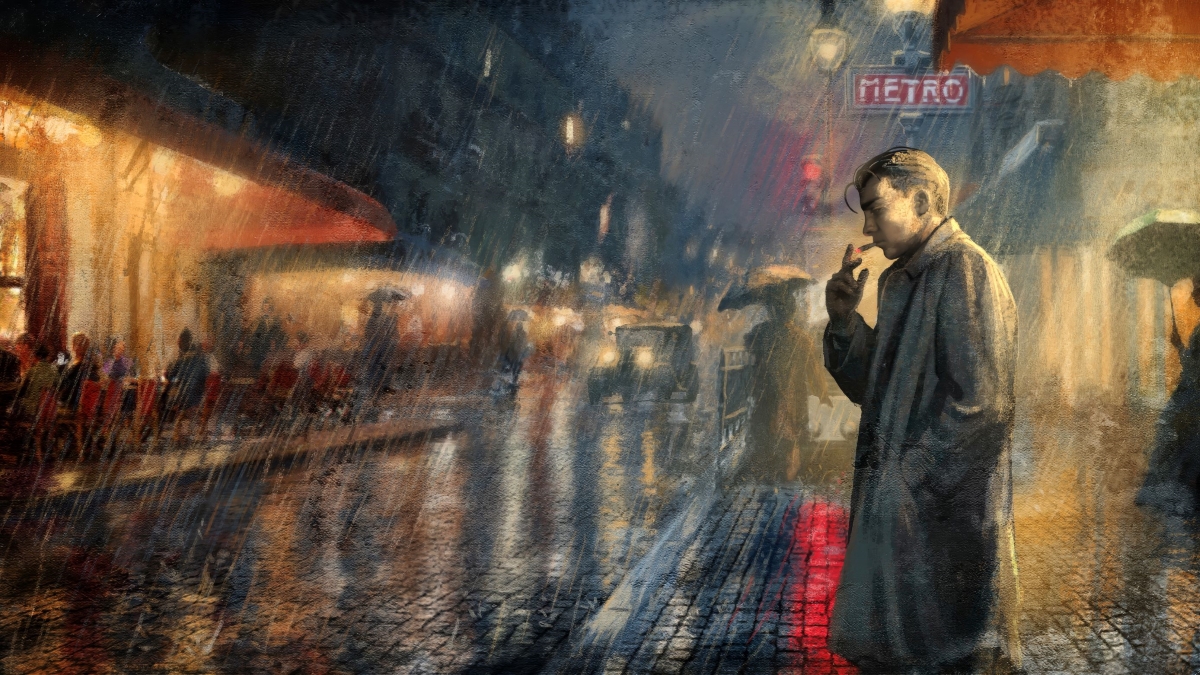
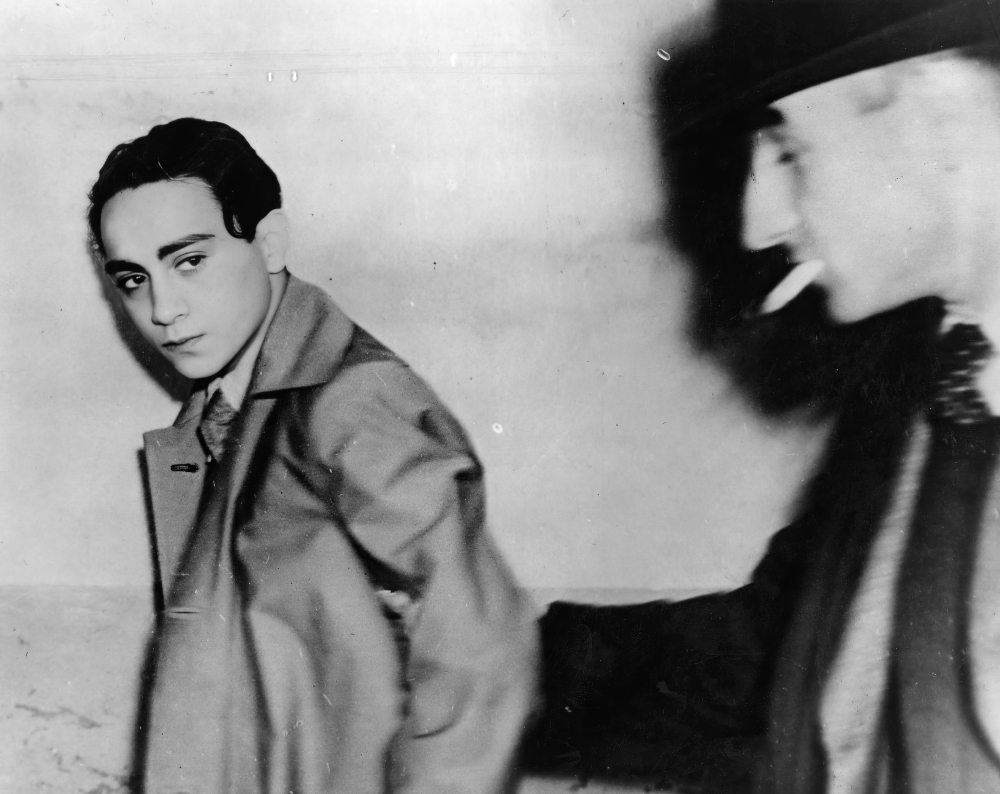
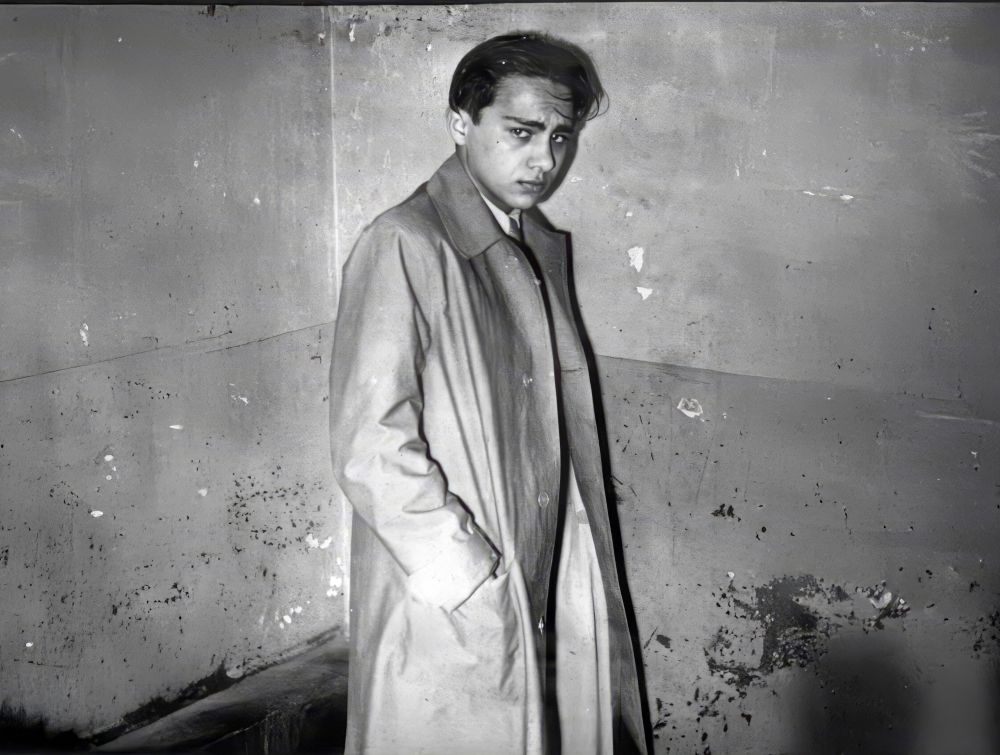
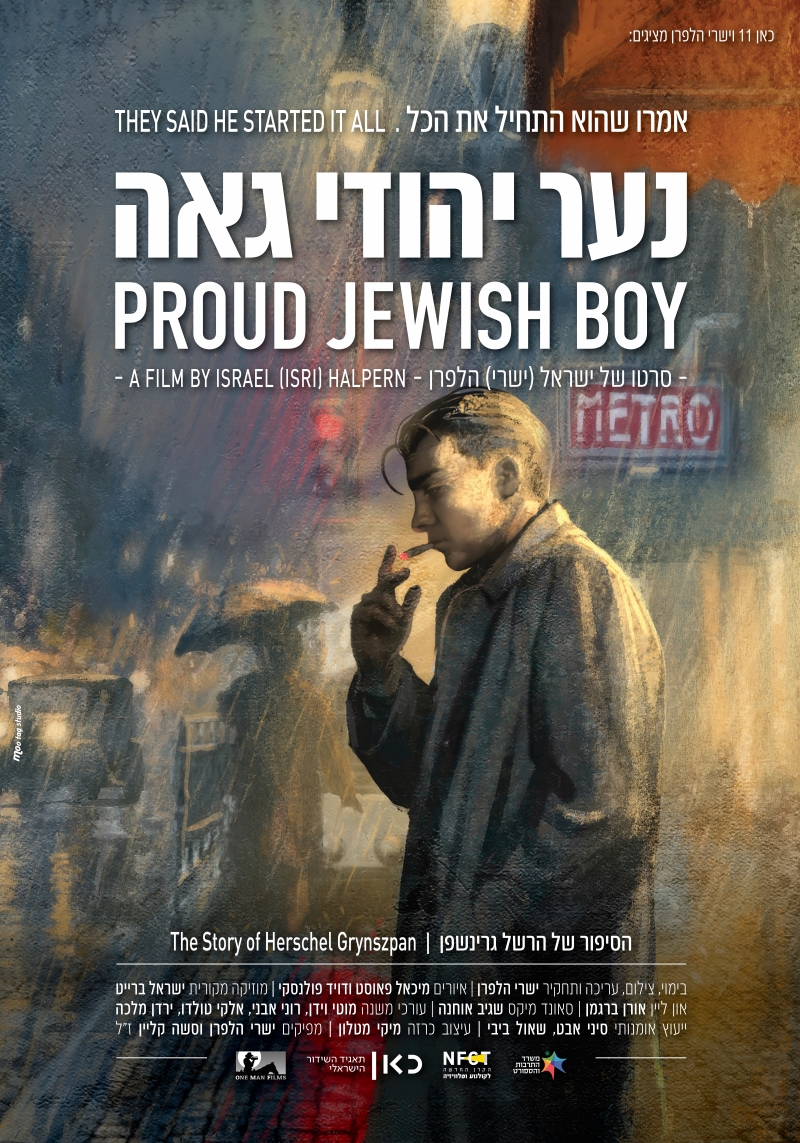
On November 7, 1938, 17-year-old Herschel Grynszpan shot Nazi diplomat Ernst vom Rath in Paris, providing the pretext for Kristallnacht. Acclaimed director Isri Halpern traces Herschel’s journey from poverty in Germany to his arrest and the Nazi show trial that never was. Combining rare interviews, archival footage, and illustrations by the artists of Waltz with Bashir, the film investigates the rumored homosexual relationship between the assassin and his victim. It challenges historical myths and explores stunning evidence that the boy who “started the war” may have actually survived the Holocaust.
Credits
Director(s)
Isri Halpern
Producer(s)
Isri Halpern, Sasha Klein
Script
Isri Halpern
Cinematography
Isri Halpern
Editor
Isri Halpern
Original Music
Israel Bright
Original Language
Hebrew, English, German, French
Subtitles
English
Broadcasters
Kan11, EO
Produced with the help of
NFCT (New Fund for Cinema and Television)
Associate Editors
Roni Avni, Moty Vidan, Yarden Malka
Sound Designer
Sagiv Ohana
Illustrations
Michael Faust, David Polonsky
Festival Highlights
-
WINNER
Best Documentary FilmAtlanta Jewish Film Festival2026 -
WINNER
Best Documentary FilmIsraeli Film Awards -
WINNER
Best Documentary FilmHaifa International Film Festival
Atlanta Jewish Film Festival, USA, Official Selection, 2026
Israeli Film Festival in Paris, France, Official Selection, 2026
Maine Jewish Film Festival, USA, Official Selection, 2026
Reflection Film Festival, Netherlands, Official Selection, 2026
Jerusalem Jewish Film Festival, Israel, Official Selection
The Palm Springs LGBTQ Film Festival, USA, Official Selection, 2026
Reviews
-
"Throughout the film, the filmmakers’ artistic choice to incorporate compelling illustration, audio, and limited reenactment brought to life a teenage refugee from 1938 of whom there was no video footage and very few photographs. Rigorous research and tenacious investigation unearthed a case of insidious propaganda, its efficacy, and the consequences for its target, Herschel. The filmmakers allow the audience to empathize with his plight and admire his determination to highlight Nazi tactics, lessons that resonate today. The filmmakers took a complicated subject that touches on multiple dimensions of diversity and made a broadly accessible film that leaves the audience wanting to know more."
- Jury Statement -Atlanta Jewish Film Festival
-
"A brilliant documentary that brings a historical story back to life through creative and compelling cinematic means. The result is a powerful and immersive viewing experience that grants an important and meaningful story emotional depth and a fresh perspective, and clearly demonstrates the power of documentary cinema to reveal, to move, and to resonate over time.
"
- Jury Statement - Israeli Film Awards
-
"the film follows one of the most enigmatic figures in the period preceding World War II, through a confrontation between historical positions and narrative approaches, and by adopting the aesthetics of a fluid documentary thriller. The film examines the place of the individual within the historical narrative, the exploitation of history for propaganda purposes, and, above all, compels us to re-examine our own position regarding Grynszpan and his actions.
"
- Jury Statement - Haifa International Film Festival